
 | CRISPR-Cas9 System for Genome Editing |

Alt-R™ CRISPR-Cas9 System: New from Integrated DNA Technologies®!

The system is therefore suitable for highly precise and efficient genome editing. It uses the Cas9 endonuclease enzyme to create a double-stranded DNA break. The Cas9 endonuclease identifies the target DNA sequence with the help of a CRISPR RNA (crRNA). In addition to the CRISPR crRNA, a trans-activating CRISPR RNA (tracrRNA) is required to activate the endonuclease and to form a functional ribonucleoprotein complex. The crRNA of the native Streptococcus pyogenes system is 42 base pairs long and the tracrRNA is 89 base pairs long; together, they are therefore required to direct the Cas9 endonuclease to the appropriate target and to cleave double-stranded DNA specifically. The cleaved DNA is then repaired either by non-homologous end joining (NHEJ) or by homology directed repair (HDR), which may result in modification of the original sequence.
The IDT optimized Alt-R CRISPR enhanced system uses a shortened, 67-base-pair tracrRNA oligonucleotide and a likewise shortened 36-base-pair crRNA to achieve the most precise editing possible of the double-stranded DNA target by the Cas9 enzyme. The chemically modified crRNA contains a specific protospacer region 19–20 bases long and a 16-base-pair domain that fuses with the tracrRNA. The formation of the DNA-RNA complex also fundamentally requires the presence of a so-called PAM (protospacer adjacent motif) sequence on both the target DNA and the crRNA.

Features and Benefits of the IDT ALT-R CRISPR System
Compared with other CRISPR systems, such as the native S. pyogenes crRNA–tracrRNA complex, the ALT-R CRISPR system is characterized by considerably higher target specificity.
The ALT-R CRISPR system includes purified, codon-optimized recombinant S. pyogenes Cas9 endonuclease produced in E. coli. The enzyme contains 1 N-terminal nuclear localization sequence (NLS), 2 C-terminal NLSs, and a C-terminal 6-His tag. The Cas9 endonuclease containing 3 NLSs forms, together with the Alt-R CRISPR crRNA and tracrRNA, a ribonucleoprotein (RNP) complex that delivers very high editing efficiency for most targets. Using the RNP complex can solve problematic cases that may arise when using mRNA or DNA expression constructs. For example, with the Alt-R S. pyogenes Cas9 endonuclease, the amount of Cas9 delivered into cells can be precisely controlled, and because this Cas9 is non-renewable, the amount also limits the duration of enzyme activity. Together, these factors reduce off-target effects. Moreover, using RNP eliminates the occasional genomic integration that occurs with DNA constructs, as well as the potential toxicity of transfected mRNA.
Delivery of the ribonucleoprotein into cells can be made highly efficient by lipofection or electroporation. Compared with the in vitro transcribed Cas9 system, this method is non-toxic and also does not activate the innate immune response.
Although numerous algorithms exist for designing the 19–20-base-pair protospacer sequence of the crRNA, only some of them produce strong genome editing activity. Data from experiments with the ALT-R CRISPR system show that, despite the lack of sequence design, genome editing with optimized RNAs is highly specific for most DNA targets.
In the ALT-R CRISPR system, the Cas9 endonuclease primarily enters the cell as part of the RNP; however, the system is also compatible with Cas9 enzymes from other sources, for example through cells stably expressing the S. pyogenes Cas9 endonuclease or through DNA/mRNA constructs. The separately available Cas9 expression plasmid provides constitutive Cas9 expression under the control of a CMV promoter.
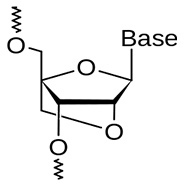
Chemical modification of the crRNA in the ALT-R CRISPR system protects the crRNA from degradation by cellular RNases, while chemical modification of the tracrRNA confers increased nuclease resistance on the molecule and further improves target specificity. The chemical modifications will automatically be included in the ordered Alt-R CRISPR crRNA oligonucleotide sequence.
The control kit contains an Alt-R CRISPR HPRT positive control crRNA specific to the HPRT (hypoxanthine phosphoribosyltransferase) gene, and a validated Alt-R CRISPR negative control. The kit also includes the Alt-R CRISPR tracrRNA complementary to the control crRNAs, nuclease-free duplex buffer, and validated PCR primers specific to the corresponding HPRT regions of the selected organism. The PCR assay included in the kit makes the system ideal for verifying modification of the HPRT gene.